Get Started
November 12, 2026
- Written By
Annie Asai
Every parcel that leaves a warehouse ends up with some carrier. So when the biggest carriers in the country lose volume, it's worth asking who picked it up.
ShipMatrix data reported by FreightWaves on November 2 gives a clear answer for the first half of 2026. UPS's U.S. domestic volume fell 5.7% and USPS volume fell 3.1%. Amazon grew 9.7% and FedEx grew 4.6%. Those gains still came up short of what UPS and USPS lost. By ShipMatrix's count, the gap was about 145 million packages.
Shippers sent those packages to two places. Some went to the private delivery networks of large retailers like Walmart. The rest went to alternative carriers, and ShipMatrix named GoFo, Uni-Uni, SpeedX, DoorDash, Jitsu, Veho, OnTrac and Better Trucks among them.
Volume doesn't move on its own. Each of those parcels changed hands because a shipper chose to route it somewhere new. Taken together, those choices add up to a market that has already diversified.
The pressure behind those choices is easy to see. FreightWaves reports that retailers are paying about 16% more for parcel shipping than they did a year ago, driven mostly by fuel surcharges, new fees and general rate increases. The TD Cowen/AFS Freight Index, cited in the same FreightWaves piece, puts fuel surcharges at roughly 30% of the transportation rate, and attributes most of the recent spike to carriers changing how the fee is calculated. FedEx and UPS have each announced another 5.9% average increase for 2027.
Some of the shift started on the carrier side too. UPS has been reducing its Amazon deliveries, and its domestic volume through September was down 4.9% year to date, according to ShipMatrix.
ShipMatrix expects about 2.4 billion parcels this holiday season, up 4% from last year and the most since 2022. A lot of that volume will move through carrier mixes that look different than they did a year ago.
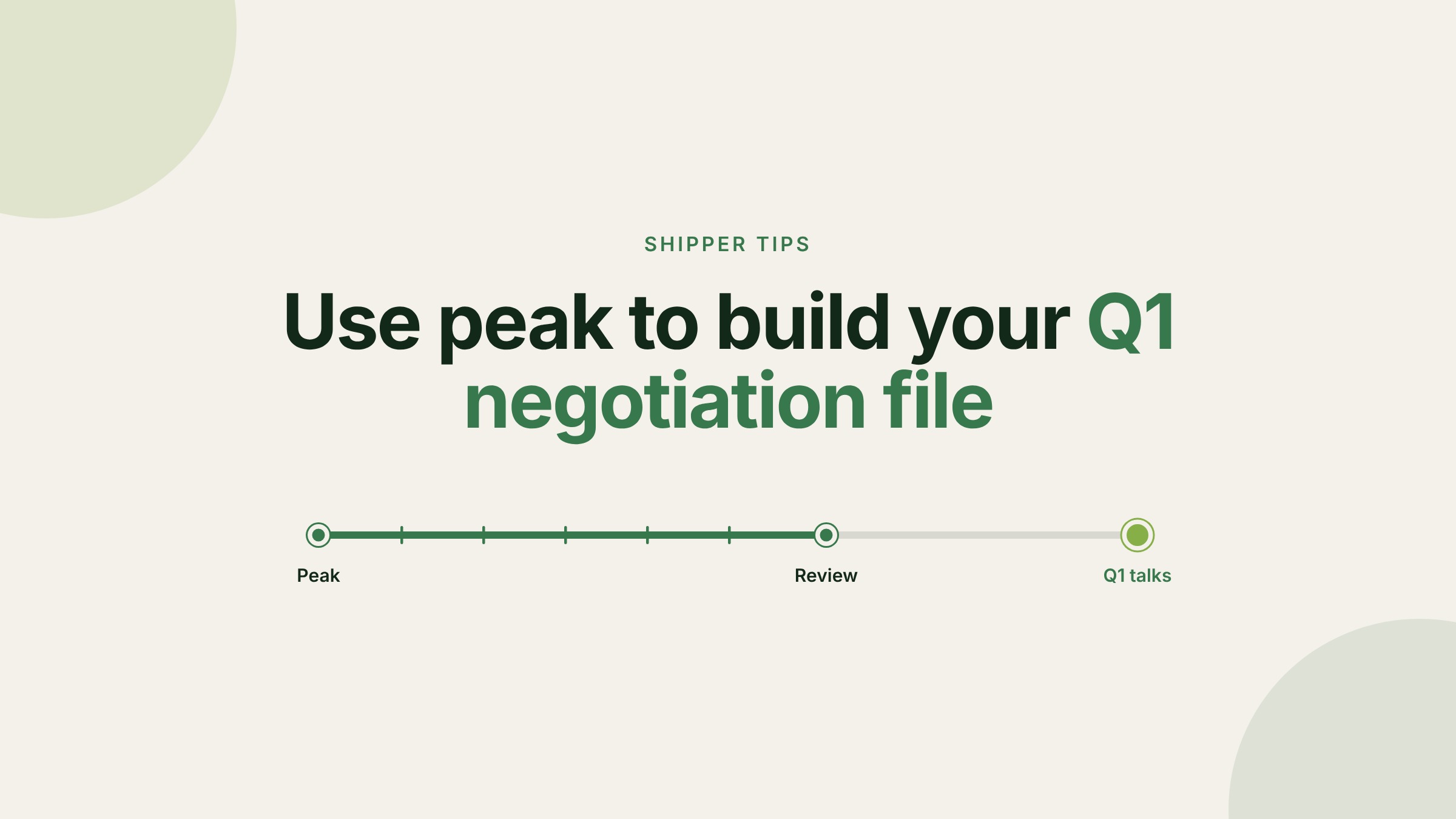
For shippers who added alternative carriers this year, peak is the first real stress test. For shippers who haven't, it's a good time to watch closely and take notes. Our post on using peak to build your Q1 carrier file covers what to track.
Start with share. Compare the percentage of parcels each carrier handled this year with last year. If one or two carriers still carry nearly all of your volume, your mix hasn't moved with the market.
Next, look at your lanes. Alternative carrier coverage is usually built region by region, so map your volume by destination and check whether your highest-volume lanes have more than one good carrier option. Lanes with a single option are where rate changes hit hardest.
Then compare your cost trend with your volume trend. If shipping spend grew faster than parcel count, surcharges and rate changes are driving the increase. That gap is where a second or third carrier can pay for itself.
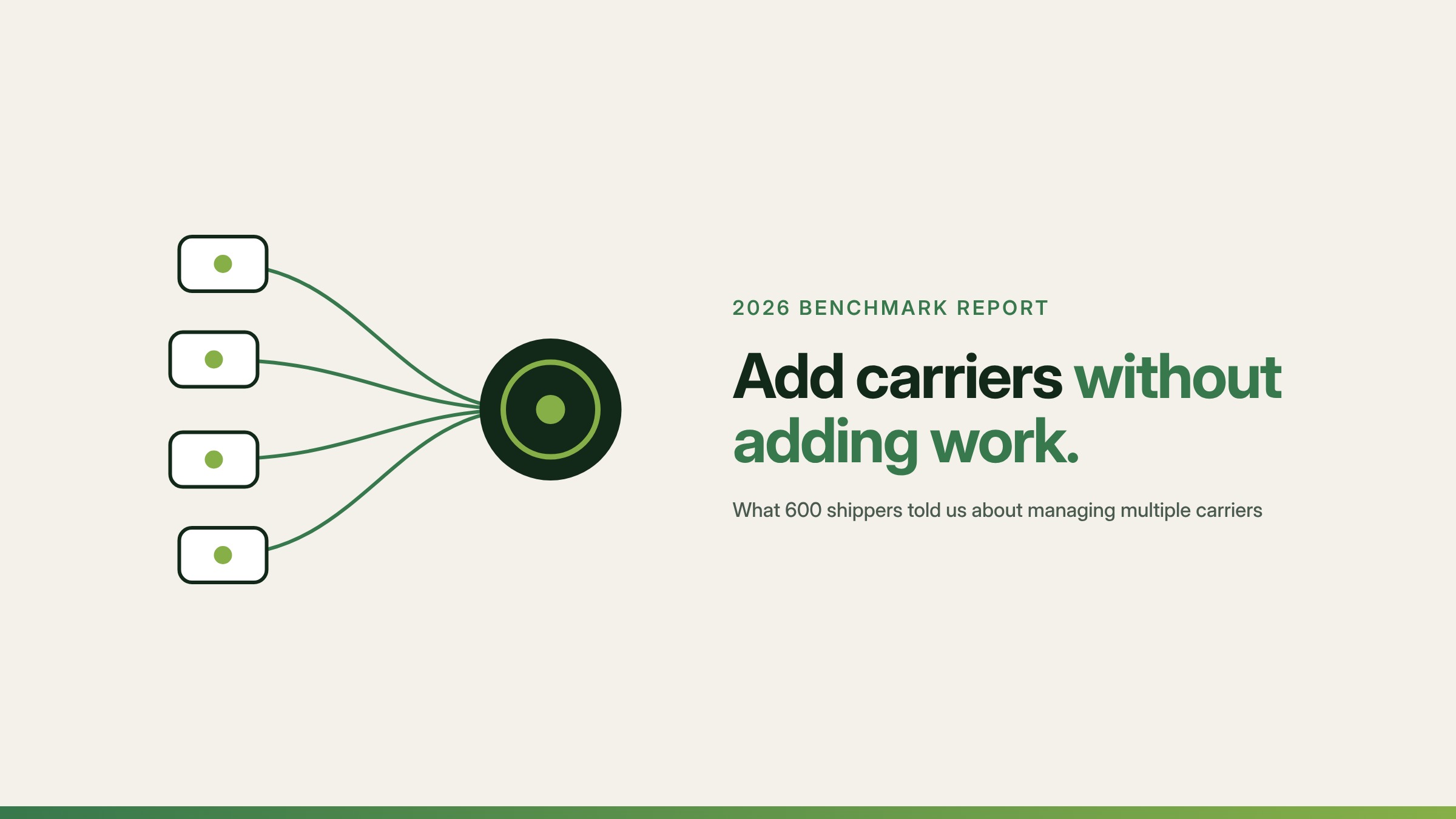
Last, check what you know about performance. Many shippers still judge carriers by reputation. Lane-level and hub-level delivery data gives you a firmer basis for deciding where new carriers belong. Our 2026 Alternative Carrier Benchmark Report covers how shipping professionals are evaluating alternative carriers today.
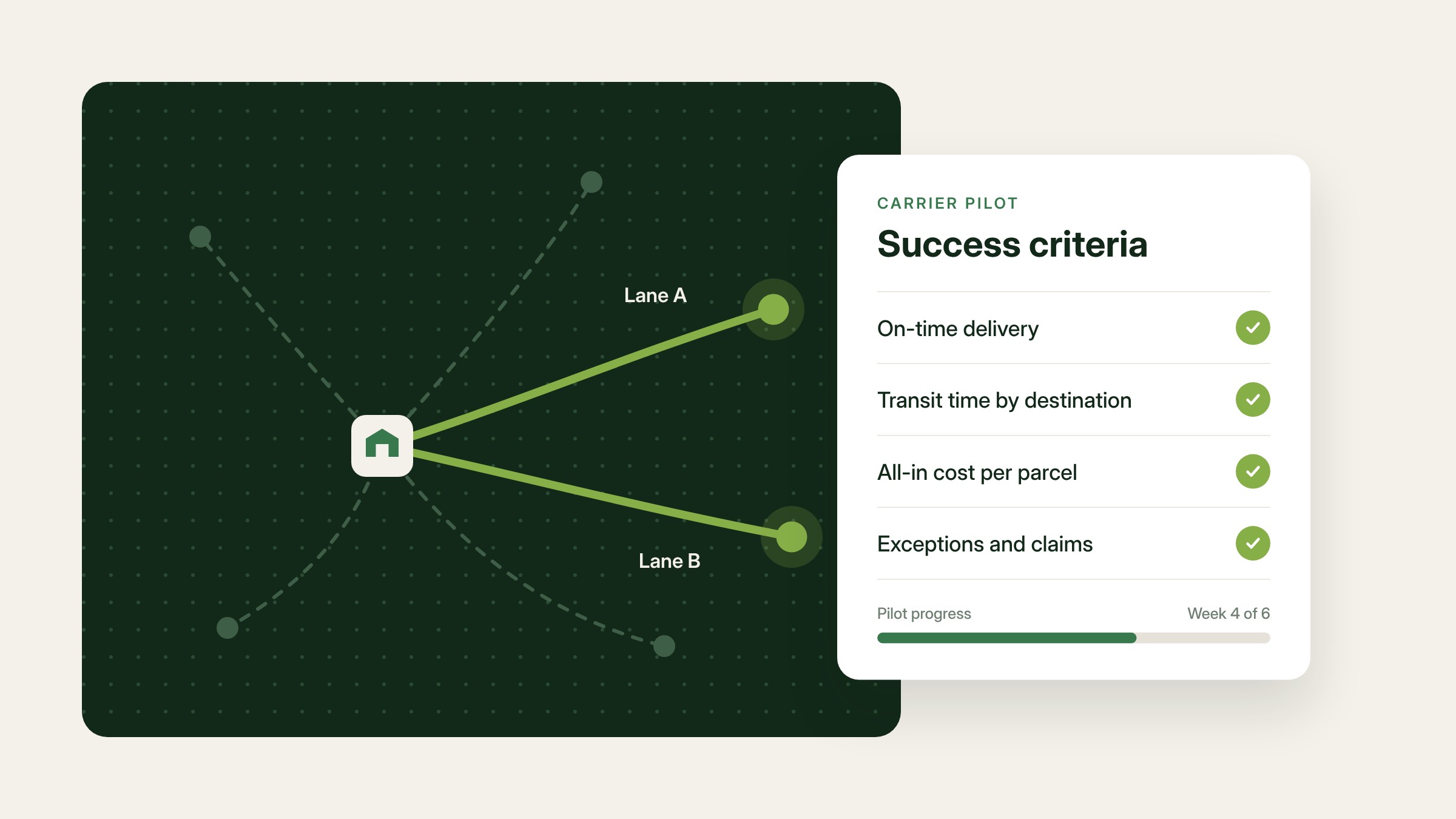
Onboarding a new carrier in the middle of peak is hard, so the practical window opens right after the holidays. Shippers who vet carriers in Q4 can test them on real volume in January and have results well before next year's busy season. Our guides to setting up your 2027 carrier mix and running an alternative carrier pilot walk through both steps.
Adding carriers usually means more integrations and more invoices to manage. Tusk is the shipping infrastructure that connects e-commerce shippers to alternative carriers across all U.S. ZIP codes through a single integration, with unified invoicing and hub-level performance insights. You get access to alternative carriers through one connection, and the data to see where each one performs best for your lanes.
Want to see where your volume could go in 2027? Talk to Tusk.